
Let's be real about why couples avoid this conversation
Most couples don't bring toys into their sex life because they're worried about what it means. Will it hurt my partner's feelings? Does wanting to use a vibrator mean I'm not satisfied? Am I admitting something is broken? These aren't stupid questions. They're the questions of people who've absorbed decades of cultural messaging that good sex should happen one specific way, and if it doesn't, someone failed.
Here's what I've learned from working with hundreds of couples: toys don't expose a problem. They often solve one. Better yet, they force the conversation that should have happened already.
Why lemon vibrators specifically help couples reconnect
Lemon Intimacy's clitoral vibrators work differently than traditional vibrators. Air-suction technology stimulates the entire clitoral complex without the intensity of friction-based toys. This matters for couples because it changes the power dynamic in the bedroom.
When orgasm becomes easier to reach, the performance pressure evaporates. You're not working toward a goal that may or may not happen. You're exploring sensation together. That shift in focus is where intimacy actually happens.
The other thing: lemon vibrators feel less like a replacement and more like a tool you're using together. The rhythm, the intensity, when to use it, whether a partner holds it or you do. All of it is a conversation happening in real time. That's how couples rebuild connection.
The conversation you need to have first
Introducing a toy isn't about the toy. It's about being honest about what you both want.
Here's what I recommend saying (and I mean this literally): "I've been thinking about ways we could both feel more pleasure together. I found something I think could help. Would you be open to trying it?"
That's it. No apologies. No preamble about how it's not because they're not enough. Just a straightforward ask.
What happens next matters more than what you say. Listen to the response without defending yourself. If they're hesitant, ask why. Often it's the same fear you have: "Does this mean you're not satisfied with me?" Naming that fear together deflates it. You can say, "No. It means I want us both to feel our best, and I want to figure it out with you."
If your partner refuses entirely, that's different information. It might mean they need more time, or it might mean you need to have a bigger conversation about what's missing between you. That's exactly what a couples coach is for.
The practical setup that makes it work
First time using a lemon clitoral vibrator together? Slow down your typical rhythm.
Start with longer foreplay. Twenty to thirty minutes, minimum. Why? Because when toys enter the picture, couples often rush to the orgasm part, thinking that's the point. It's not. The point is connection. So take your time building arousal together.
Talk about what you're noticing. "Does this feel good?" "Want to try a different pattern?" "Should I slow down?" These questions are foreplay. They're intimate. They matter more than the toy itself.
When you're both ready, start the lemon vibrator on the lowest setting. A clitoral sucker works through gentle suction, not aggressive pounding. Many couples make the mistake of going too high too fast. You don't need that. The device is doing the work. Your job is to be present.
If you're the penetrating partner, consider not moving while the vibrator does its job. Clitoral stimulation and penetration can feel overwhelming simultaneously if the intensity is too high. Let the vibrator handle clitoral pleasure. You can focus on the emotional connection. This alone changes the experience.
When pleasure patterns don't match
Here's a thing that happens in long-term partnerships: arousal timelines diverge. One person gets there in five minutes. The other needs twenty. This can make both partners feel bad. The faster partner feels impatient (which they feel guilty about). The slower partner feels rushed (which makes them tighten up, which makes it harder to orgasm).
A lemon clitoral vibrator solves this by removing the performance requirement from the penetrating partner. They can focus on emotional presence while the toy handles the physical work. This is especially useful when arousal takes longer to build, which becomes more common with age or stress.
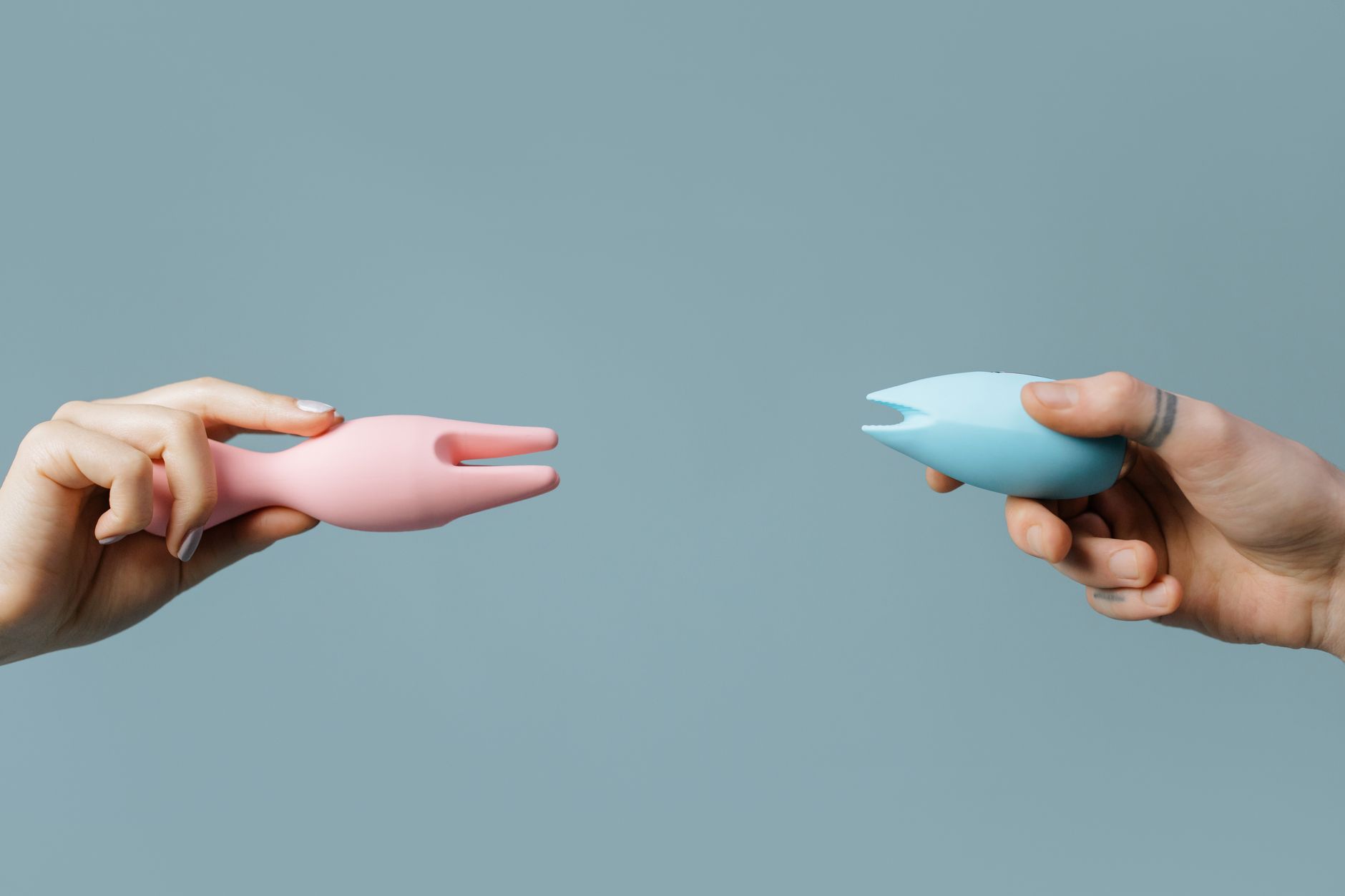
Photo by cottonbro studio on Pexels
Your job as the receiving partner is to speak up. Tell them what feels good. When you want more or less. When you want to stop. This feedback loop is what couples therapists call "responsive intimacy." You're teaching each other how to love each other better. That's deeper connection.
Addressing the elephant: comparison and insecurity
Some partners worry that a toy will make them feel inadequate. This is worth naming directly, not avoiding.
If your partner expresses this, resist the urge to reassure them with "You're enough for me." That's defensive and it doesn't address the real fear. Instead, try: "I need your hands on me. I need to hear you. A vibrator doesn't do any of that. What it does is handle one specific thing so we can both relax and enjoy each other."
If you're the one feeling insecure, say so. Don't hide it and then resent the toy or your partner. Talk about what you're actually afraid of. Often it's not about the toy at all. It's about whether you matter. Whether your partner still wants you. Whether the relationship is changing in ways you can't control. Those are real things to work through, and they deserve real conversation.
This is also where rebuilding trust after infidelity or relationship rupture matters. Toys aren't a replacement for the actual work of reconnection. But they can be a tool within that work.
Building the habit (not just a one-time thing)
Most couples use a toy once, then shelve it for months. That's fine, but it misses the point. The goal is to integrate it into your regular intimate rhythm so it becomes normal, not special.
Set a low bar. Maybe twice a month. Friday nights after the kids are asleep. Sunday mornings. Whatever rhythm works for your life. Make it part of the routine.
The first few times will feel awkward. You'll laugh. You might mess up the settings. Your mind will wander to whether the door is locked. That's all normal. By the fifth time, it stops feeling like "trying something new" and starts feeling like "us."
That's when the real benefit shows up. Not the orgasms (though those are nice). The feeling that you and your partner are on the same team. That you can ask for what you want. That pleasure matters to both of you, equally.
When couples therapy might help
If the conversation about introducing toys becomes a bigger fight, or if it cracks open other tensions in your relationship, that's not a failure. That's information.
Many couples use a toy as a doorway into deeper work. "We want to feel closer" becomes "We haven't felt close in years, and we don't know how to talk about it." That's exactly when professional support helps. A couples coach can help you both feel heard, identify where you've drifted, and rebuild from there. The toy is secondary. The conversation is primary.
What changes when you actually do this
Honestly? The biggest shift I see isn't in the bedroom. It's everywhere else. Couples who can say "I want a lemon clitoral vibrator and I want us to try it together" have learned how to ask for what they want. That skill bleeds into other areas. They ask for what they need at work, in friendships, with family.
They also learn that pleasure is collaborative. That awkwardness and vulnerability can lead to connection instead of shame. That wanting something doesn't mean the current situation is broken. It means you're growing.
Your partner might surprise you. They might get excited about exploring this together. They might have their own ideas about what would feel good. And suddenly you're both on a team again, instead of two people trying to read each other's minds in the dark.
That's what introducing a lemon vibrator is really about.
People also ask
Will using a vibrator make my partner feel replaced?
Not if you're using it together and talking about what you're both experiencing. The key is framing. You're not replacing them. You're expanding what pleasure looks like between you. Make sure they're involved in choosing the toy, deciding when to use it, and controlling it sometimes. Shared ownership prevents resentment.
How do I bring this up without hurting their feelings?
Lead with curiosity about their pleasure, not criticism of the current situation. "I want to explore ways we can both feel amazing" works. "I need something more" does not. Be direct, be warm, and be ready to listen to their concerns without getting defensive. If they say no, ask why and actually hear the answer.
What if my partner thinks toys are weird or wrong?
That's often about upbringing or cultural messaging, not the actual tool. Share educational content together. Reading or watching something from a credible source (like a couples therapist or sex educator) can help normalize it. Sometimes hearing it from an expert feels safer than hearing it from your partner. Give them time. Pushing too hard backfires.
Is using a vibrator the same as cheating or being unfaithful?
No. Infidelity involves deception and breaking agreement. Using a toy with your partner's knowledge and consent is collaborative. It's the opposite of cheating. But if you're sneaking around with a vibrator and hiding it from your partner, that's where trust breaks. Transparency is everything.
Can a lemon clitoral vibrator help if we've been intimate but disconnected?
Yes, often. The act of trying something new together, being vulnerable together, laughing at awkwardness together—that's reconnection. The vibrator is just the container for a conversation about pleasure and presence that you both need to have anyway. Start there, and see what opens up.
How do I know if this is what we need or if we need couples counseling?
You might need both. If intimacy has disappeared entirely, or if the idea of sex together feels tense or sad, a couples coach should come first. Once you've rebuilt some basic safety and communication, toys can help you explore pleasure together. But toys aren't therapy. They're tools for people who already have some foundation of trust and openness.