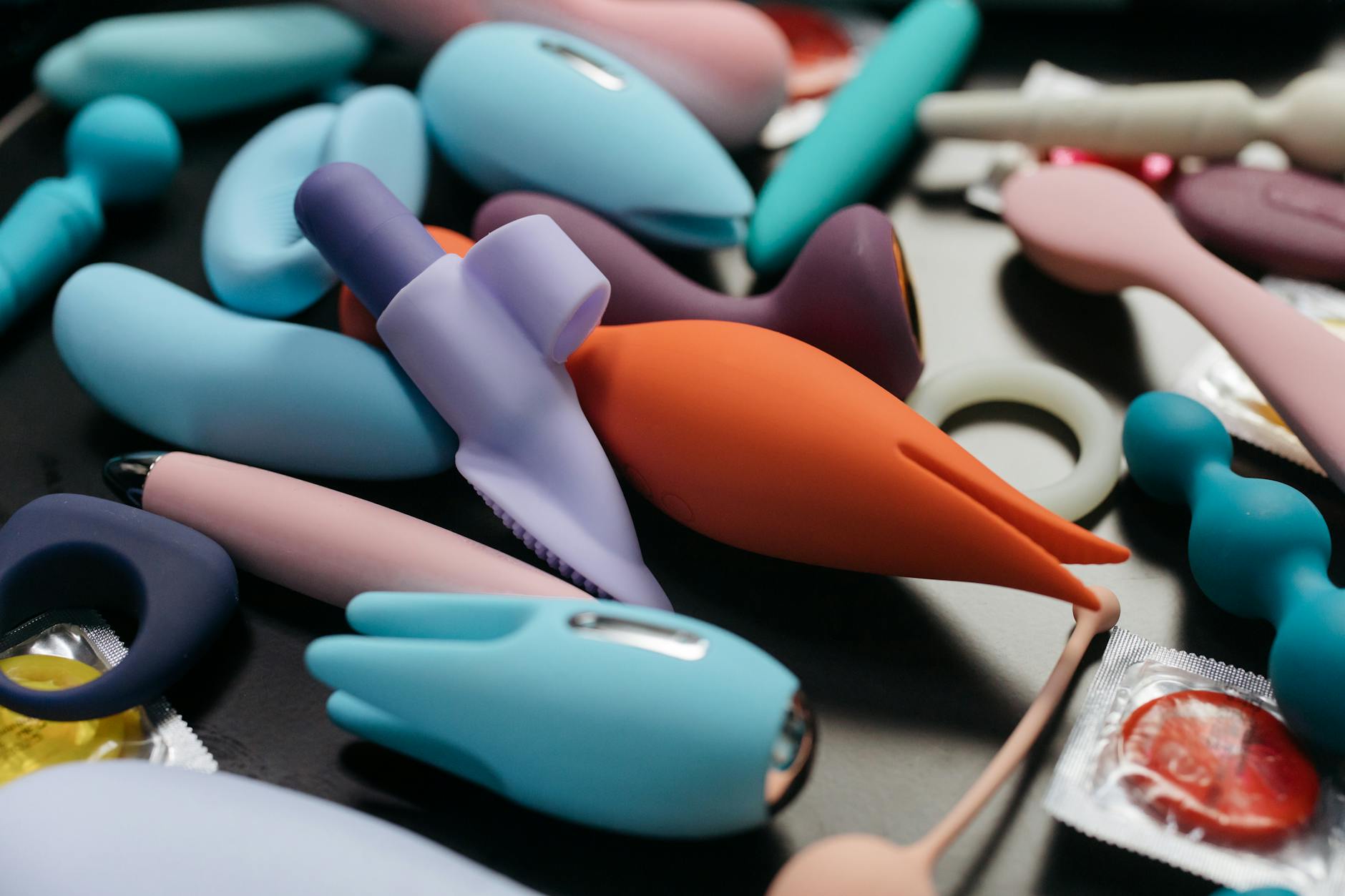
Here's what nobody told you about solo exploration
Single doesn't mean missing out on pleasure. It means having the rare gift of time with nobody watching, no one else's preferences to balance, and zero pressure to perform. That space is actually where the most interesting discoveries happen.
Most people who've had partners report that the best sexual experiences of their lives came after they'd spent time alone learning their own body first. There's a direct line between self-knowledge and satisfaction, and lemon vibrators are a practical way to walk that line.
Why solo exploration changes everything
Here's the data nobody talks about at parties. Research from the Journal of Sexual Medicine found that people who regularly engage in self-pleasure report higher sexual satisfaction overall, stronger orgasms, and better communication with partners when they do have them. Solo play isn't selfish. It's education.
When you're alone, you get to control the pace, the intensity, the fantasy, the mood. You're not managing someone else's experience. You're not watching their face to see if they're enjoying things. You're not modulating your responsiveness based on whether you think they're getting bored. That absence of negotiation is wildly liberating. And for people coming out of relationships where sex felt obligatory or performed, it can feel revolutionary.
Lemon vibrators, specifically, are built for this kind of focused exploration because they concentrate stimulation without the complications of penetration. You can experiment with pressure, rhythm, and duration without worrying about anyone else's comfort.
Starting with the right mindset
Solo pleasure sometimes gets bundled with shame or viewed as a temporary fix until "real" sex shows up. Neither is true. Treating solo exploration as legitimate, important time for yourself changes the experience completely.
Set aside actual time for it. Not five minutes before bed when you're half-asleep. Real time, 20-30 minutes, when you're rested and present. Make the space nice. That doesn't mean rose petals and candles if those feel fake to you, but it does mean: locked door, phone on silent, no other obligations pending. Your pleasure deserves the same protected time you'd give to exercise or meditation.
Honestly? A lot of people find that taking solo pleasure seriously makes them feel more like themselves. You're not performing for anyone. You're not accommodating anyone. You're just exploring what feels good in your own body, in your own way.
How to actually use a lemon vibrator solo
Here's the practical part. Lemon clitoral vibrators work by suction and pulsing, not by friction. That means the learning curve is different from what you might expect if you've used other toys.
Start at the lowest setting. With a lemon vibrator, that's usually pattern 1 or 2. Apply it gently to the clitoris. You're not pushing. The suction does the work. Many people make the mistake of trying to control the sensation by moving the toy around, which actually breaks the seal and kills the effect. Stay still. Let the vibration work.
Expect longer warm-up than you might with other devices. Fifteen to twenty minutes of gentle stimulation before the intensity builds is normal, especially when you're learning the device. This isn't a problem. It's actually the whole point. You're learning to build arousal slowly, which translates to better orgasms overall.
Experiment with angle. The clitoris isn't directly at the opening. It sits higher, where the inner labia meet. A lemon vibrator works best when the cup sits flush against that area. Slight tilts forward, back, or to the side will feel wildly different. Spend time finding your angle.
Building confidence through knowledge
Solo exploration is how you learn your own sexual response. You'll figure out: how long it takes you to warm up, what rhythm actually works for you (not what you think should work), whether you prefer consistent pressure or variation, whether you can orgasm multiple times or if one and done is your style, what helps you stay present versus what distracts you.
That information is gold. When you eventually have a partner, you already know the answers to "What do you like?" instead of guessing. You can show them what works rather than explain it. You know your own timeline so you stop expecting your body to move on someone else's schedule.
Most importantly, you learn that your pleasure is worth pursuing and protecting. That's not a small thing.
When to explore fantasy
Many people feel weird about fantasy during solo play because they worry it means something about what they want in reality. It doesn't. Fantasy is what your brain does when it's free to roam without real-world logistics. Solo exploration is the perfect place to play with thoughts or scenarios that you might never want to act on with a partner.
You don't have to perform your fantasy. You don't have to explain it. You don't have to worry whether your partner will judge you for it. You can just think it and enjoy the stimulation. That freedom is part of why solo exploration is so valuable. Your brain gets to play without consequences.
If you do want a partner someday, knowing what actually turns you on solo helps you decide what you're genuinely interested in exploring together and what was just your brain being weird while you were alone. Important distinction.
The physical side: what helps
A few practical notes if you're new to lemon vibrators or solo exploration overall.
Use water-based lubricant. Even if you don't feel like you need it, a small amount makes suction work better and feels nicer. It's not that your body is broken. Lube just improves the sensation across the board.
Set realistic expectations about orgasm. Some people orgasm easily with lemon vibrators. Some take longer to figure out the right angle and intensity. Some find that solo orgasms feel different than partnered ones, or that it takes more time. None of that is wrong. Your body isn't malfunctioning. You're just learning.
If you find you're not enjoying it after a few tries, switch settings or angles before deciding the toy isn't for you. The learning curve is real.
The emotional side matters too
Solo exploration sometimes surfaces feelings you weren't expecting. You might feel disconnected from your body. You might feel grief about a recent breakup. You might notice anxiety about being alone. All of that is normal and worth paying attention to, but it's not a reason to stop.
Some of my clients find that solo pleasure helps them process emotions because they're finally checking in with what their body actually needs. Others find they need to work through some deeper stuff before solo exploration feels comfortable, and that's okay too. There's no timeline.
The point is: notice what comes up. If shame or anxiety takes over, you can pause. If curiosity and exploration feel good, lean into that. Your gut will tell you what pace makes sense.
Solo pleasure builds everything else
People often think of solo exploration as something to do until a partner shows up. The actual relationship works the other way. The stronger your relationship with your own pleasure, the better all your other relationships become. You know what you want. You're not desperate for someone else to complete you. You're clearer about boundaries. You ask for what you need.
That doesn't just make partnered sex better. It makes your whole life better. You're operating from a place of self-knowledge instead of self-doubt.
Start where you are. If you're curious about lemon vibrators or any form of solo exploration, that curiosity is enough. You don't need permission or justification. You just need time, a locked door, and willingness to pay attention to what your body actually likes.
Your pleasure matters. Solo or partnered, it deserves time and attention.
People also ask
Is it normal to explore solo pleasure when you're single?
Completely normal. Studies consistently show that self-pleasure is part of typical sexual development and function across the lifespan. It's not something you do instead of partnered sex. It's something most people do throughout their lives, regardless of relationship status. The research is actually pretty clear: people who have a healthy solo exploration practice tend to have more satisfying partnered sex because they know their own body and can communicate what they enjoy.
Can you orgasm more easily with a lemon vibrator if you're doing solo exploration?
Many people find that lemon clitoral vibrators make orgasm more accessible because the suction provides consistent, concentrated stimulation without the fatigue factor of manual stimulation. That said, some people orgasm easily with them and others take time to figure out the right angle and intensity. If you're used to orgasming one way, your body might need a few tries to adjust to a different sensation. Patience and experimentation help. Some people find they have different types of orgasms with different tools, which is actually interesting data about your own response.
Does solo exploration with toys make partnered sex harder later?
No, and actually the opposite is usually true. People who know their own body and have experienced what different types of stimulation feel like tend to have better partnered sex because they can communicate what works for them and aren't operating from a place of uncertainty. The skills you learn solo transfer directly to partnered exploration. You learn your timeline, your preferences, your responsiveness. That information makes everything better.
What if you feel awkward or disconnected during solo exploration?
That's really common, especially if you're new to it or if you've been in situations where your pleasure wasn't prioritized before. A few things help: give yourself multiple attempts before deciding it's not for you. Try at different times of day. Experiment with whether fantasy, erotica, or just focusing on sensation helps you stay present. If disconnection persists, there's nothing wrong with checking in with a therapist who specializes in sexuality, but awkwardness in the first few tries is pretty standard and usually resolves with practice.
How often should you explore solo pleasure?
As often as feels good to you. There's no magic number. Some people enjoy solo exploration multiple times a week. Others prefer it monthly. Some find it becomes a regular practice and some just do it occasionally. What matters is that it feels chosen and enjoyable, not obligatory. If you're doing it to feel better about being single or to escape difficult feelings, that's worth noticing, but regular solo exploration purely for pleasure? That's healthy and worth protecting as part of your self-care routine.
Can exploring with a lemon vibrator help you understand what you want in a future relationship?
Absolutely. Solo exploration is where you get actual data about what your body responds to, how long your arousal takes to build, what intensity feels good, whether you prefer consistent stimulation or variation. That information becomes the foundation for how you communicate with partners later. You're not guessing. You're not performing. You're not trying to fit yourself into someone else's expectations. You know your own preferences because you've experienced them firsthand. That clarity translates into better communication, clearer boundaries, and more satisfying partnered experiences overall.
References
Remley, T. P., & Reeves, T. D. (2015). Sexual health and aging. Journal of Sexual Medicine, 12(10), 1977–1984.
Laumann, E. O., Das, A., & Waite, L. J. (2008). Sexual dysfunction among older adults: Prevalence and risk factors from the National Social Life, Health, and Aging Project. Journal of Sexual Medicine, 5(10), 2300–2311.
Virgil, K. (2019). The role of self-pleasure in sexual health and wellbeing. Archives of Sexual Behavior, 48(4), 1011–1023.