When desire comes back, it doesn't feel like before
Let's be real. After months or years of illness, your libido returning isn't a light switch flipping back on. It's more like a dimmer gradually brightening. And when it does start to return, your body might feel unfamiliar to you. Muscles feel different. Sensation feels different. The person you're with might feel different too, because you've both changed.
Here's what I've seen in my practice: people recovering from long-term illness often expect pleasure to work the way it did before they got sick. Then they're shocked to discover that their body has its own timeline and its own rules now. That disorientation is actually normal. It's also fixable.
The physiology of sexual recovery
Illness changes your body in visible and invisible ways. Even after you feel "better" and cleared by your doctor, your cardiovascular system might not respond as quickly. Blood flow to your genitals takes longer to activate. Your pelvic floor might be weaker from months of reduced activity. Energy expenditure during sex feels bigger than it used to because, well, it is.
Your nervous system also needs time to recalibrate. If you've been managing pain, monitoring symptoms, or dealing with fatigue, your brain has been in a protective state. Shifting from "survive this moment" to "experience pleasure in this moment" requires actual rewiring. That's not something willpower fixes.
On top of the physical stuff, there's the emotional layer. If the illness was serious enough that you genuinely thought you might not recover, or if you spent months not feeling your own body, reconnecting with sensation can feel overwhelming. Sometimes it feels distant. Sometimes it feels unsafe. All of that is information, not failure.
Why Lemon vibrators work well during recovery
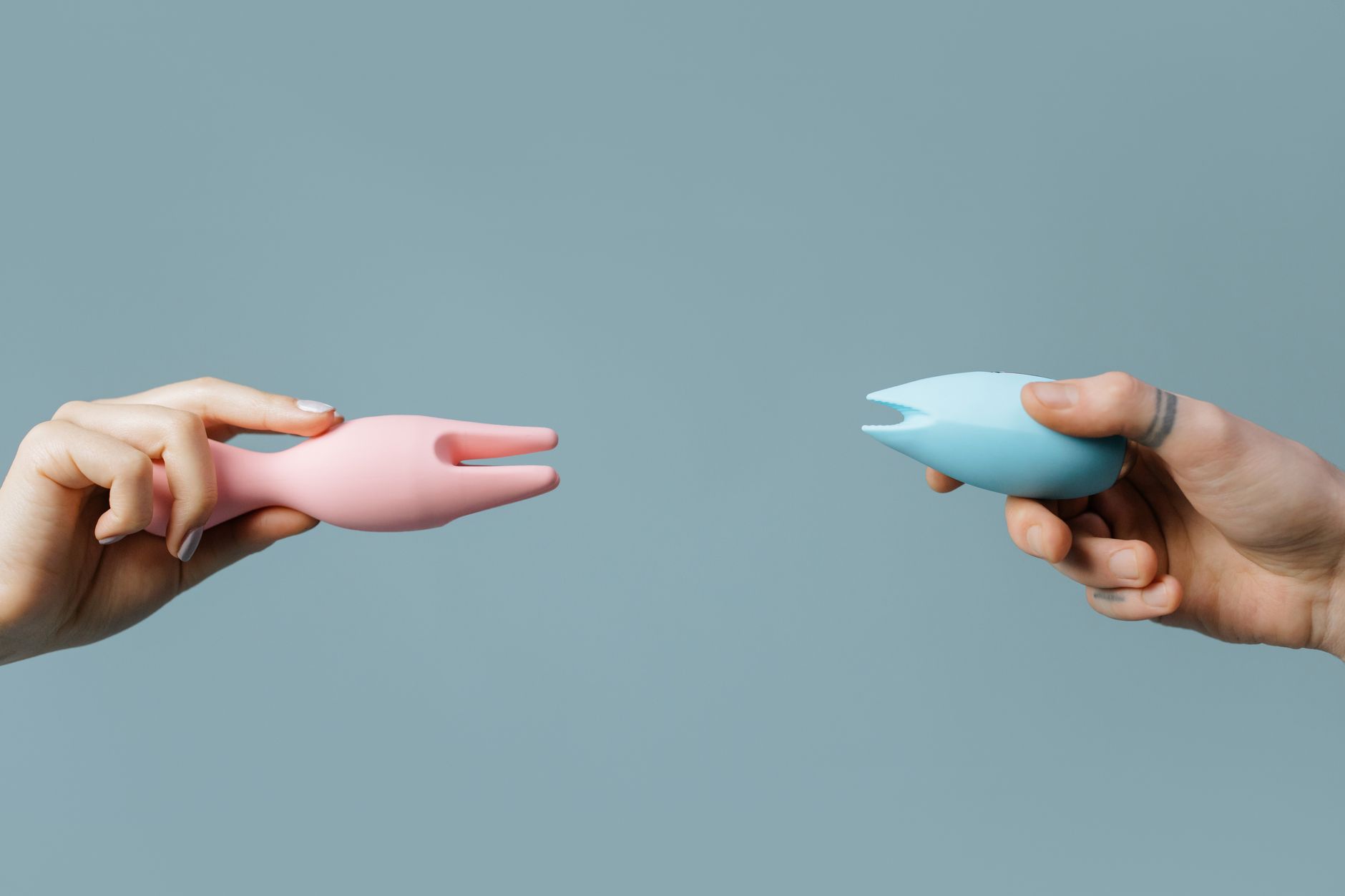
When you're relearning your body, you need tools that let you control the experience completely. Lemon clitoral vibrators are designed for precision and gentleness. You can start at the lowest pattern, focus on very light contact, and stop whenever you want. There's no negotiation with a partner, no performance pressure, no need to maintain anything. That autonomy matters.
The clitoral suction mechanism works differently than traditional vibration. Instead of intense direct pressure, it creates a sensation that feels more like a gentle wave of stimulation. For someone whose body is still finding its sensitivity after illness, that gentler approach often feels more accessible than a standard vibrator. You're not overwhelming thinner or more fragile tissue.
Lemon vibrators also let you take your time. Recovery isn't a sprint. You might spend the first week just holding the vibrator and noticing sensation without turning it on. The second week, you might use it on the lowest setting for two minutes, then stop. That's exactly right. Your body will tell you when it's ready for more.
Starting slow actually means starting slow
This is where most people mess up. "Starting slow" mentally means "I'll ease into this gently." But then they use pattern 5 because it feels good, or they expect to have the same kind of orgasm they had before, or they go for longer than their body is asking for.
Here's what actually slow looks like: lie down when you have at least 20 minutes where you won't be interrupted. Let your mind settle for a few minutes. Maybe touch yourself without the vibrator first, just to notice what feels good. Then try the lowest pattern on the Lem vibrator for 30 seconds. Notice what happens. Stop. Lie there. See what your body is telling you.
That might be your entire session. And that's perfect.
Increasing intensity and duration should happen gradually over weeks, not days. One session a week might be all your body wants. That's still recovery. Your nervous system is learning that pleasure is safe again. That takes time.
The emotional part is its own thing
Your body might wake up before your mind is ready. You might experience guilt about pleasure when you spent so long fighting just to survive. You might have complicated feelings about what the illness took from you, even after you're physically recovered. If you're partnered, they might have their own recovery happening alongside yours.
I recommend naming these feelings explicitly. Not processing them during sex, but before or after, in conversation with yourself or your partner. "I noticed I felt anxious about pleasure today" or "I'm grieving that my body doesn't respond the way it used to." These are real, and they deserve attention outside of the bedroom.
If you have a partner, check in before and after. "I'm planning to spend some time exploring sensation this week. I might not have an orgasm, and that's okay." Or after: "That felt good, and I'm feeling emotional now." Permission matters. Lowered expectations matter.
Using lemon sexual toys as a reconnection practice
Think of your Lemon Intimacy vibrator as a tool for conversation with your own body, not as a performance tool. The goal isn't orgasm. The goal is sensation, curiosity, and safety.
Start with very low expectations for what "good" looks like. A good session might be: I noticed some pleasure for two minutes. A good session might be: I felt comfortable and didn't panic. A good session might be: I stopped when I wanted to and that felt empowering. None of these require an orgasm.
If sensation returns slowly after illness, extend your timeline even further. Your nervous system is still figuring out what pleasure means. Some people take months to get back to baseline sensitivity. That's not broken. That's healing.
Talking to your partner about this
If you're in a relationship, your partner might be anxious about initiating because they don't want to pressure you. Or they might be eager to get back to how things were, which can feel like pressure in a different way. Clarity helps.
Tell them: "I'm exploring pleasure on my own right now using a vibrator. I'm taking my time. I don't know when or if I'll be ready to involve you, but I'll tell you." Then actually tell them. Maybe it's "I'd like you to be in the room while I explore," or "Not yet," or "Yes, but touching me gently, not penetration." Your needs will shift. That's normal.
For partnered sex to feel safe after illness, you often need to rebuild trust with your own body first. Solo exploration with tools like Lemon vibrators is how you do that. It's not a rejection of your partner. It's preparation.
When to reach out for extra support
If anxiety is blocking pleasure entirely, or if you're experiencing pain that wasn't there before, that's a conversation for your doctor or a pelvic floor physical therapist. Chronic illness sometimes creates muscle tension that doesn't resolve on its own.
If emotional blocks feel really heavy (guilt, shame, grief about lost time, fear that pleasure means you're "actually better" when you don't feel better), a therapist trained in trauma or illness recovery can help. Sexual recovery after serious illness isn't something you have to figure out alone.
The timeline is yours, not anyone else's
I want to be very clear: there is no "normal" timeline for libido to return after illness. It might come back in three months. It might take two years. It might come back and then retreat again during a flare. You're not broken at any point along that spectrum. You're recovering at the pace your nervous system and body need.
Lemon vibrators are just a tool. The real work is patience with yourself, curiosity about what feels good now, and permission to rebuild pleasure slowly. Your body has been through something hard. It's asking for gentleness, not speed.